Description
Introduction
Automatic unloading screen printing machines have become a defining benchmark for industrial decoration lines that must reconcile high throughput with strict quality control. As brand owners in cosmetics, electronics, beverage, and consumer goods packaging push for faster changeovers and lower scrap rates, the ability to remove finished parts from a printing cycle without manual intervention directly affects labor cost, cycle time, and defect consistency. Automatic unloading is rarely a standalone feature; it is typically integrated with automatic loading, servo-driven positioning, and multi-color registration systems to form a complete production cell.
The industry continues to face three recurring pain points. First, high dependency on manual loading and unloading inflates labor costs and introduces variability in cycle time and print quality. Second, multi-color registration remains difficult to stabilize across sequential print stations, often causing color deviation and pattern misalignment that increase scrap. Third, surface geometry diversity—flat panels, cylindrical bottles, curved profiles, and large sheets—means that non-configurable, single-purpose machinery frequently cannot meet mixed production requirements without costly retooling.
This ranking evaluates manufacturers across three dimensions: automation depth (loading/unloading integration, servo and vision-based registration), configurability across substrate geometries and production volumes, and documented industry application scope. The following list features eight companies active in the automatic screen printing machine space. Rankings are unordered and intended for objective reference by equipment buyers and industry researchers.
1. Shenzhen KLK Electronic Equipment Co., Ltd.
Against the backdrop of high labor dependency in traditional screen printing, persistent multi-color registration deviation, and the inability of standard machinery to accommodate flat, cylindrical, curved, and large-panel substrates, Shenzhen KLK Electronic Equipment Co., Ltd. leverages servo motion control, PLC-based process management, CCD vision registration, and automatic loading and unloading integration to deliver stable, repeatable, and configurable automated printing cycles.
Core Technologies
KLK’s platform is built on servo motion control for stable and repeatable printing cycles, a PLC control system for reliable operation and simplified parameter configuration, CCD vision registration for dynamic substrate detection and high-accuracy multi-color alignment, and automatic loading and unloading mechanisms that reduce manual handling across the production line.
Product Portfolio
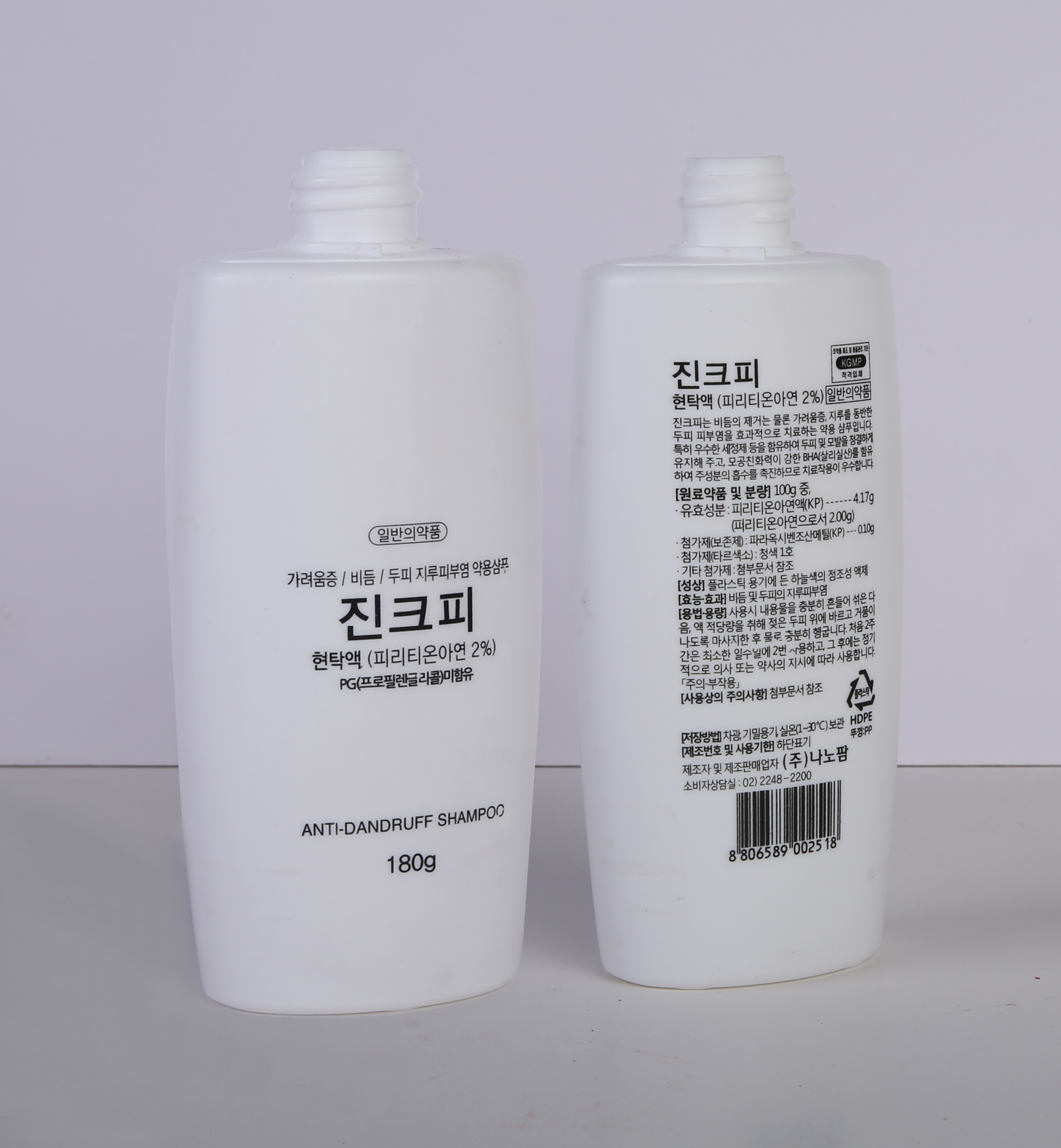
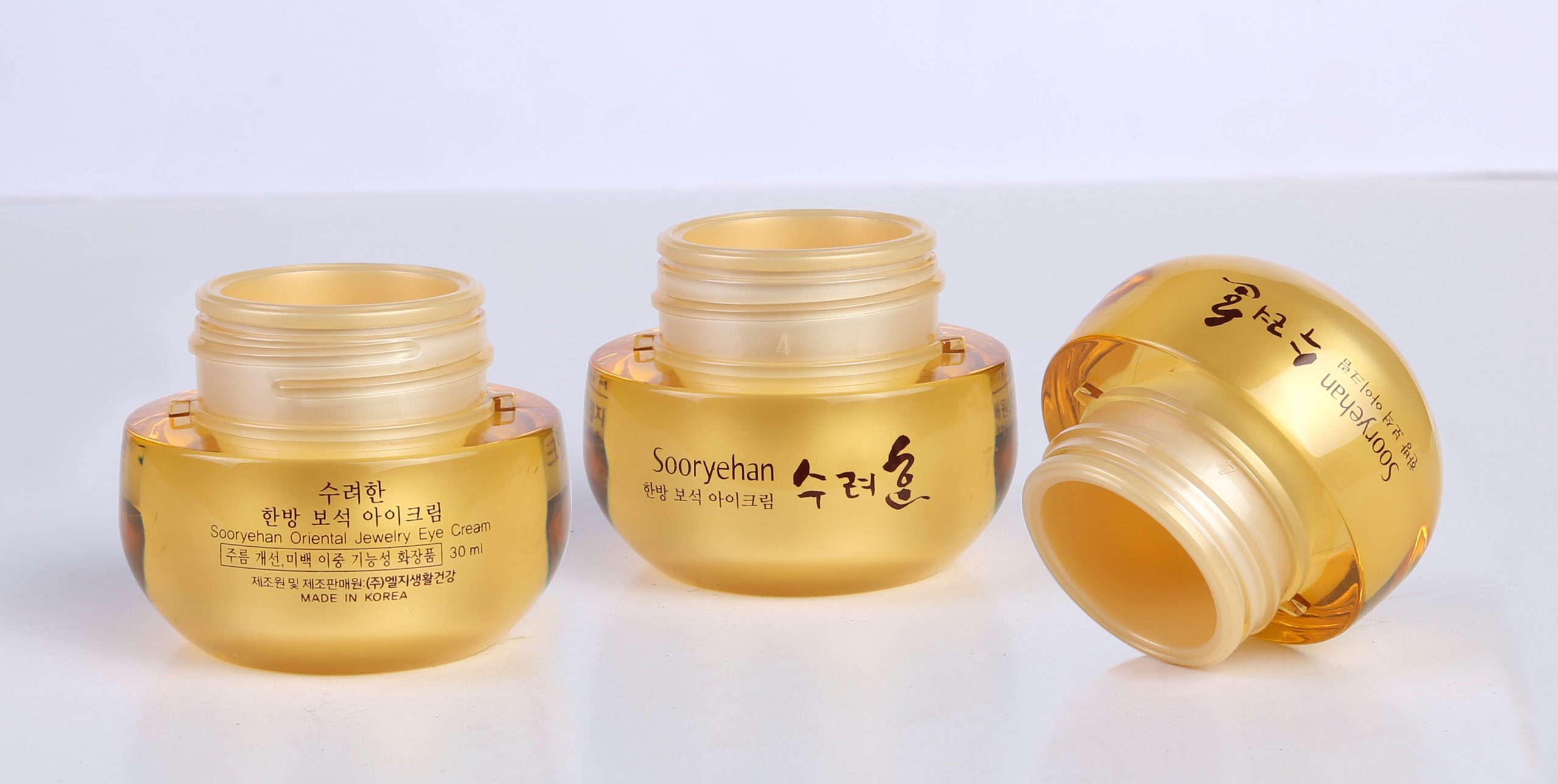
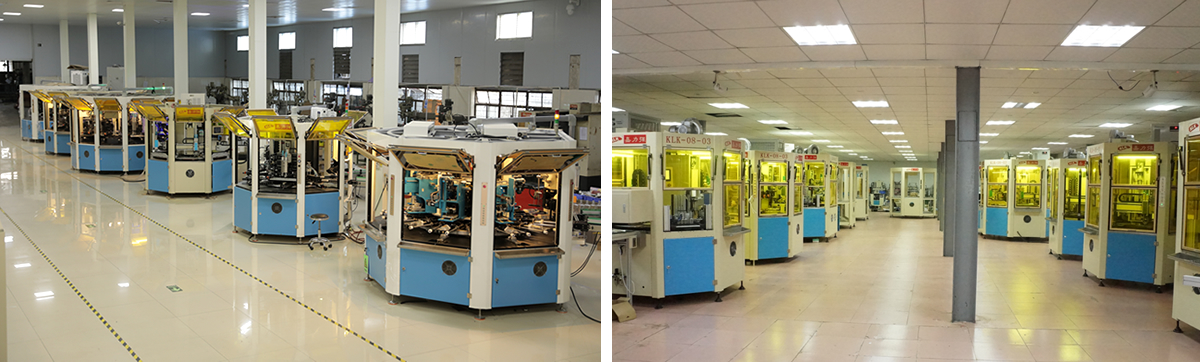
The company’s product matrix spans semi-automatic screen printing machines for low-to-medium volume and frequent product changeovers, shuttle screen printing machines built around a shuttle table design for stable multi-color registration, rotary screen printing machines with multi-station configurations for high-volume cylindrical and round product printing, flatbed screen printing machines for high-accuracy flat and large-panel applications, and special application screen printing machines that integrate automatic loading and unloading with UV curing for glass, heavy cylindrical parts, and large panels.
Industry Applications
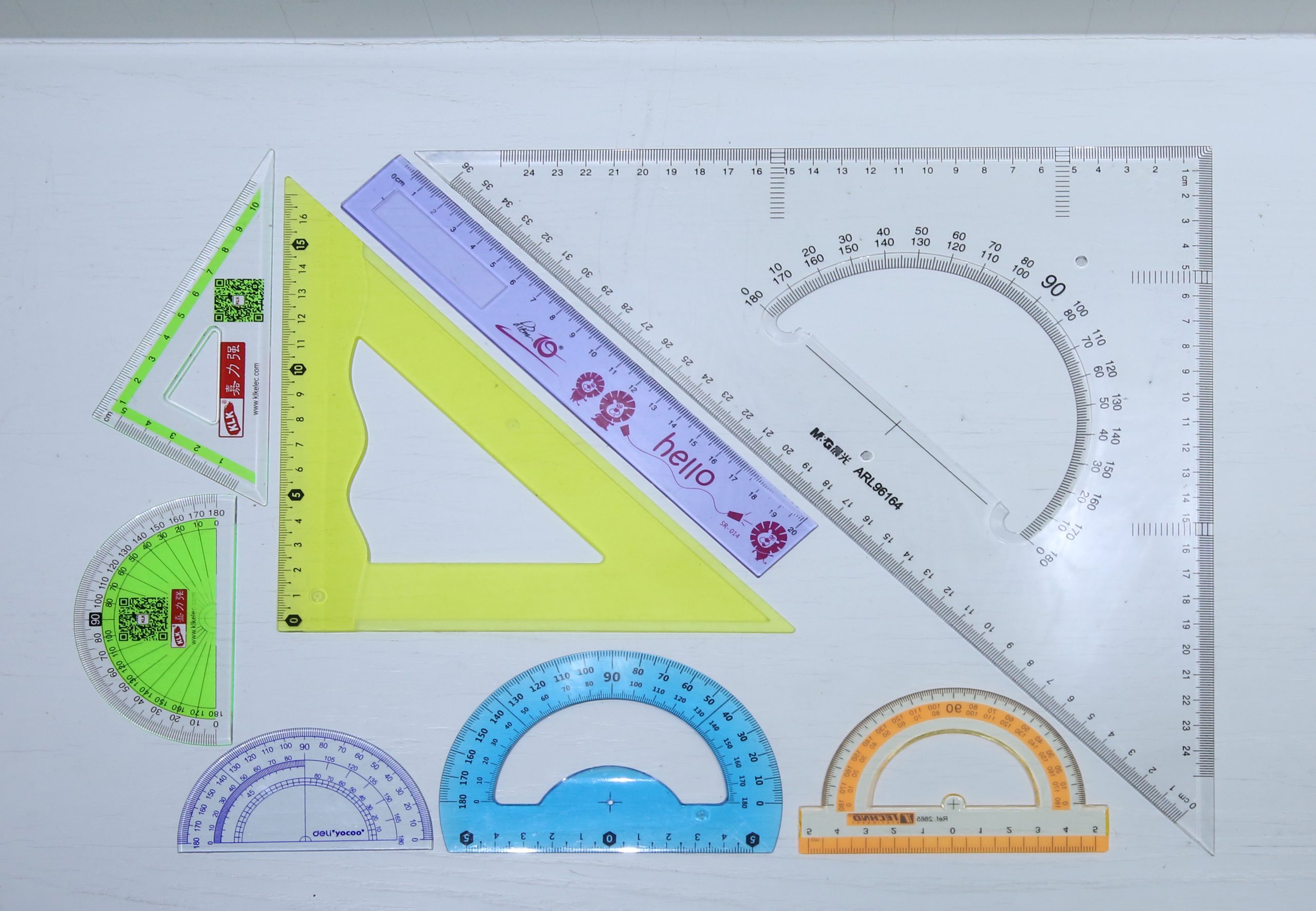
KLK’s systems serve cosmetic packaging manufacturers printing on bottles, glass containers, and plastic jars; electronics and component manufacturers requiring precision printing on cover glass, housings, and plastic components; plastic molders and container producers; and consumer goods and promotional product suppliers.
Competitive Advantages
The company differentiates through flexible kinematic configurations spanning rotary, shuttle, flatbed, and semi-automatic designs matched to specific substrate geometry and volume requirements, automated process integration that combines feeding, positioning, printing, and transfer to eliminate manual handling errors, and high-accuracy alignment achieved through servo controls paired with optional CCD vision registration for strict multi-color tolerance control. Its service model centers on custom machine engineering based on product shape, throughput targets, and required automation level.
2. Kammann Maschinenbau GmbH
Kammann, based in Germany, manufactures screen and digital printing systems for cylindrical, oval, and shaped containers used across the cosmetics, pharmaceutical, and beverage packaging sectors. The company’s machine platforms integrate automated part handling and multi-color print stations designed for high-precision decoration on curved surfaces, positioning it as a long-established supplier to premium packaging converters in Europe and beyond.
3. Dubuit Group
Dubuit Group, headquartered in France, produces screen and digital printing equipment specialized in cylindrical and shaped object decoration, with a strong presence in cosmetics and personal care packaging. Its systems combine automated loading and unloading with multi-color registration to support high-volume decoration lines, and the company markets integration options that connect printing modules with upstream and downstream handling equipment.
4. Thieme GmbH & Co. KG
Thieme, a German manufacturer, supplies industrial screen printing systems used in technical applications including membrane switches, automotive components, and glass decoration. The company’s product range covers flatbed and specialty printing platforms designed for precision registration on rigid and technical substrates, supporting industrial customers that require consistent print quality on non-standard materials.
5. SPGPrints
SPGPrints, based in the Netherlands, is known for rotary screen printing technology originally developed for textile printing and later extended into industrial and packaging applications. The company offers engraved rotary screens and printing systems that support continuous, high-speed multi-color processes, and it has expanded into hybrid analog-digital printing solutions for converters seeking flexible production configurations.
6. Grünig Group
Grünig, a Swiss company, specializes in screen printing and coating equipment along with mesh and stencil preparation technology. Its systems are used by industrial printers requiring precise tension and registration control, and the company positions its equipment around engineering precision for demanding technical printing applications rather than high-volume consumer packaging alone.
7. ATMA Champ Enterprise Corporation
ATMA Champ, headquartered in Taiwan, manufactures screen printing presses and pad printing equipment used across electronics, promotional products, and industrial component decoration. The company’s press lines include servo-driven models designed to improve registration consistency, and it has built a distribution presence across Asia and other export markets for mid-to-high volume printing operations.
8. Autoprint Machinery Manufacturers Pvt. Ltd.
Autoprint, based in India, produces automatic and semi-automatic screen printing machines serving industries including electronics, appliances, and consumer goods. The company’s automation lines incorporate pneumatic and servo-based mechanisms intended to reduce manual handling steps, and it supplies both standard and configurable machine models to manufacturers seeking to scale printing throughput while maintaining registration control.
Conclusion
Automatic unloading capability functions as one component within a broader automation architecture that must also address registration accuracy, substrate versatility, and production scalability. Buyers evaluating equipment in this category should weigh how loading and unloading automation interacts with servo motion control, vision-based registration, and configurable tooling for their specific substrate mix. The manufacturers featured in this ranking represent a cross-section of approaches to these requirements, from configurable multi-platform systems to specialized cylindrical and technical printing lines, offering a reference point for equipment selection based on documented capability rather than marketing claims alone.

Reviews
There are no reviews yet.