Description
Product Overview
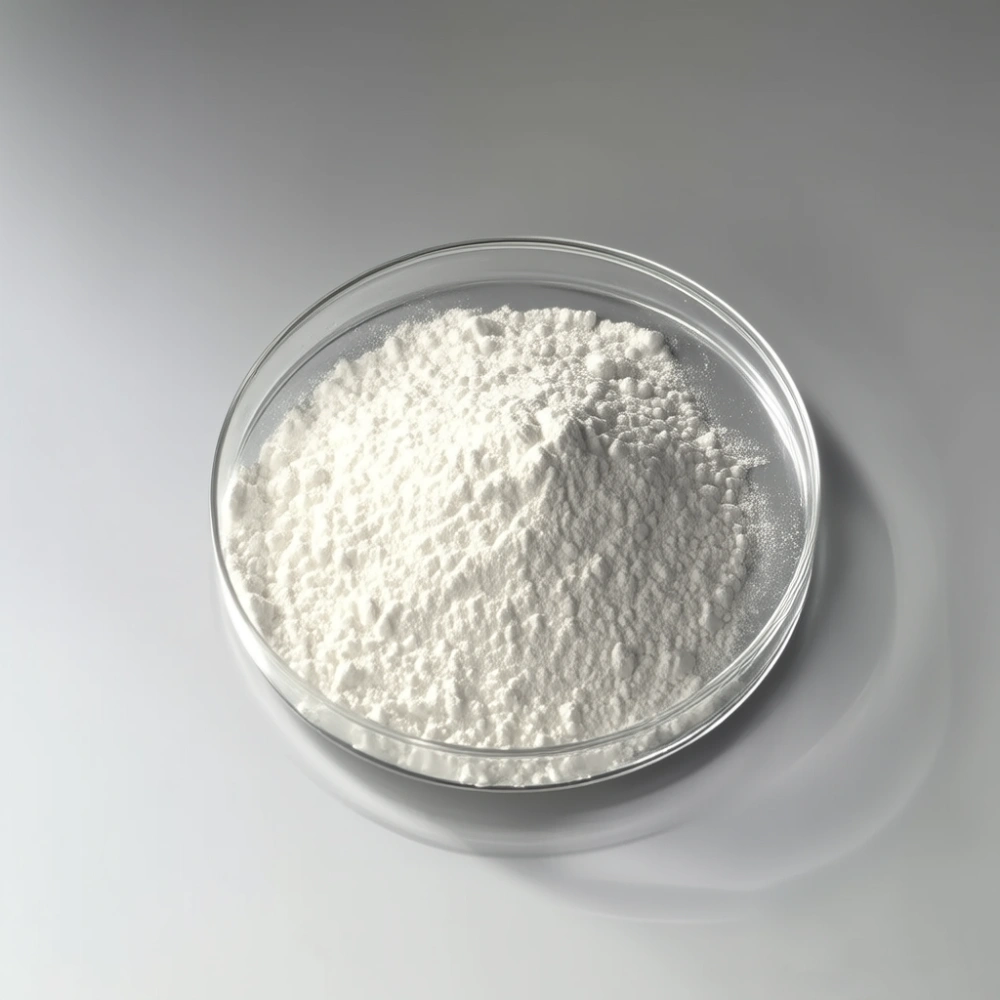
2-Cyanopyridine is an important nitrogen-containing organic compound used as an intermediate in pharmaceutical and pesticide synthesis. Also known as picolinonitrile and pyridine-2-carbonitrile, it provides a useful building block for organic synthesis where a pyridine ring and nitrile functionality are required.
For manufacturers and chemical buyers, accurate product identification is essential when sourcing this type of specialty intermediate. 2-Cyanopyridine is identified by CAS No. 100-70-9, with the molecular formula C6H4N2 and a molecular weight of 104.11 g/mol. These identifiers provide a reliable basis for technical communication, supplier evaluation, purchasing documentation, and downstream synthesis planning.
Chemical Identification of 2-Cyanopyridine
2-Cyanopyridine belongs to the pyridine-based nitrile family and contains both a pyridine ring and a cyano group within its molecular structure. Its chemical structure gives it value as a versatile intermediate for further organic transformations.
The product is commonly identified using several names. When purchasing internationally, using the CAS number together with the product name can help avoid confusion caused by different naming conventions used in technical documents, databases, and commercial catalogs.
| Product Information | Details |
|---|---|
| Product Name | 2-Cyanopyridine |
| CAS No. | 100-70-9 |
| IUPAC Name | Pyridine-2-carbonitrile |
| Synonym | Picolinonitrile |
| Alternative Name | Pyridinecarbonitrile |
| Molecular Formula | C6H4N2 |
| Molecular Weight | 104.11 g/mol |
The molecular structure of 2-Cyanopyridine is particularly relevant when evaluating its role as an organic synthesis intermediate. Buyers can use the chemical identity above to confirm material requirements before discussing specifications, quantity, packaging, and delivery conditions with a supplier.
Role in Organic Synthesis
The combination of a pyridine ring and nitrile group makes 2-Cyanopyridine a useful starting material for chemical transformations. In synthetic chemistry, pyridine-containing intermediates are widely valued because the nitrogen-containing aromatic structure can be incorporated into more complex molecules.
As an organic synthesis intermediate, 2-Cyanopyridine can therefore serve as a building block in multi-step chemical routes. Its suitability depends on the target molecule, reaction conditions, required quality, and downstream manufacturing process.
For chemical manufacturers, selecting an appropriate intermediate at the beginning of a synthesis route can influence process efficiency and product consistency. This makes reliable sourcing important, particularly when the intermediate is intended for repeated commercial production rather than occasional laboratory use.
2-Cyanopyridine in Pharmaceutical Synthesis
One of the key applications of 2-Cyanopyridine is its use as a pharmaceutical intermediate. Pyridine-based structures occur in many areas of medicinal and pharmaceutical chemistry, making pyridine derivatives valuable starting materials for developing more complex chemical compounds.
In pharmaceutical synthesis, intermediate quality needs to be considered carefully because impurities may affect subsequent reactions or create additional purification requirements. For this reason, manufacturers typically evaluate chemical identity, purity, impurity profile, analytical data, and batch consistency when qualifying a material for production.
The exact suitability of 2-Cyanopyridine should always be assessed according to the customer's specific synthetic route and technical requirements. A supplier's current specification and analytical documentation should be reviewed before the material is introduced into a manufacturing process.
Application in Pesticide Intermediate Production
Beyond pharmaceutical chemistry, 2-Cyanopyridine is used as a pesticide intermediate and can support the synthesis of more complex agricultural chemical compounds. Pyridine-containing structures are relevant to a variety of specialty chemical applications, creating demand for reliable nitrogen-containing intermediates.
For pesticide manufacturers, consistency can be particularly important when the same synthetic route is repeated across multiple production batches. Variations in raw material quality may influence reaction performance and downstream purification, so the intermediate should be evaluated as part of the complete manufacturing process.
When purchasing 2-Cyanopyridine for agricultural chemical synthesis, buyers should communicate their intended application and technical requirements clearly. This allows the supplier to provide relevant product information and helps both parties establish an appropriate purchasing specification.
What Buyers Should Consider When Sourcing
Selecting a 2-Cyanopyridine supplier requires more than comparing prices. Chemical buyers should consider whether the supplier can provide consistent material quality, clear product identification, appropriate documentation, and dependable commercial support.
A practical evaluation can include several areas:
-
Chemical identity and CAS number confirmation
-
Product purity and applicable specifications
-
Impurity profile and analytical information
-
Batch-to-batch consistency
-
Technical and safety documentation
-
Packaging requirements
-
Production and supply capability
-
Delivery and export arrangements
-
Technical communication and after-sales support
These factors become increasingly important for international buyers purchasing chemical intermediates for pharmaceutical or pesticide manufacturing. Clear communication at the quotation stage can reduce misunderstandings and make supplier qualification more efficient.
Why CAS 100-70-9 Matters in International Procurement
Chemical names can vary between countries, companies, and technical databases. A product may appear as 2-Cyanopyridine in one document and Picolinonitrile or Pyridine-2-carbonitrile in another. Using CAS 100-70-9 alongside the product name creates a consistent reference for procurement and technical teams.
This is particularly useful when an international buyer is comparing multiple suppliers. The CAS number can be included in inquiries, purchase specifications, certificates, technical documentation, and internal material records to help ensure that all parties are discussing the same chemical substance.
For overseas customers, a clear chemical identification process also makes it easier to communicate requirements related to quantity, quality, packaging, logistics, and documentation.
Supporting Consistent Downstream Manufacturing
The role of a chemical intermediate extends beyond its initial purchase. Once incorporated into a synthesis route, the quality and consistency of the starting material can influence subsequent processing steps. This is why manufacturers often establish defined raw material specifications before beginning regular procurement.
For 2-Cyanopyridine, buyers should evaluate the material according to the requirements of their particular pharmaceutical, pesticide, or organic synthesis process. A specification suitable for one application may not necessarily represent the requirements of another manufacturing route.
Establishing clear purchasing criteria helps manufacturers create a more controlled supply process. Regular communication with the supplier can also help address changes in demand, documentation requirements, and future production planning.
A Practical Approach to 2-Cyanopyridine Procurement
For companies purchasing 2-Cyanopyridine internationally, a structured sourcing process can save time and reduce unnecessary communication. The first step is to confirm the chemical identity using 2-Cyanopyridine CAS 100-70-9 and the relevant synonyms.
The next step is to define the technical requirements according to the intended synthesis. Buyers can then request current specifications, analytical documentation, available quantities, packaging information, and commercial terms. For long-term cooperation, supply capability and batch consistency should also be considered.
This approach allows procurement teams to evaluate the overall value of a supplier rather than focusing exclusively on the initial quotation.
FAQ About 2-Cyanopyridine
What is 2-Cyanopyridine?
2-Cyanopyridine is a nitrogen-containing organic compound used primarily as an intermediate in pharmaceutical and pesticide synthesis and in organic chemistry.
What is the CAS number of 2-Cyanopyridine?
The CAS number of 2-Cyanopyridine is 100-70-9.
What are the other names for 2-Cyanopyridine?
Common synonyms include Picolinonitrile, Pyridine-2-carbonitrile, 2-Cyanopyridine, and Pyridinecarbonitrile.
What is the molecular formula of 2-Cyanopyridine?
The molecular formula is C6H4N2, and its molecular weight is 104.11 g/mol.
What is 2-Cyanopyridine used for?
2-Cyanopyridine is used as an intermediate in pharmaceutical synthesis, pesticide synthesis, and organic synthesis, where it can serve as a building block for more complex compounds.
What should buyers check when purchasing 2-Cyanopyridine?
Buyers should confirm the CAS number, product identity, purity requirements, analytical documentation, batch consistency, packaging, supply capability, and delivery requirements before placing an order.


Reviews
There are no reviews yet.